New free tool Holiday spending money calculator
Skip to main content
How to Layer for a Long Haul Flight

How to Layer for a Long Haul Flight

Blog

Working out what to wear on a long haul flight is less to do with choosing clothes for a journey and more to do with trying to manage a dry, cold and often stationary cabin environment over a long period of time. A simple layering system, that has been chosen with comfort and the promotion of circulation in mind, is likely to provide more benefit than wearing a single ‘travel outfit’.

Why Loose Layers Matter

The aircraft cabin is approximately 20% humidity which is comparable to a very dry desert. It is also subject to variations in temperature. The Civil Aviation Authority (CAA) describe the cabin temperature as changing during the course of the flight and recommend that passengers wear the most comfortable clothes that they have bringing loose, non-restrictive clothing. Tight clothing including waistbands and tight trousers can become uncomfortable after a few hours but also restrict circulation to the legs.

Pick A Breathable Base Layer

You start with the layer closest to your skin. Choose materials such as cotton, bamboo or merino wool as they allow for good moisture transport and are much better than synthetic fibres in a dry environment. Merino wool in particular is good for temperature regulation and is often a good choice for long-sleeved tops even for people who normally run hot. Avoid tight clothing as it restricts the movement of your legs and can cause problems in the ankles.

Add A Mid Layer You Can Shed

One item to include in your hand luggage is a jumper or cardigan. This is the most useful item to include as the cabin temperature cannot be changed on a zone by zone basis. So a large jumper or cardigan is ideal to wear when the plane gets cold and then roll up and put in your seat pocket or under-seat bag when you get hotter a few hours later.

Choose An Outer Layer With A Second Job

Your outer layer will double up as a blanket, on the plane and also after you arrive. If you can also use it as a pillow then all the better. We recommend travelling with items that will be used again and again. This could be a soft jacket, a scarf or even a travel wrap. These items will be used on the plane and then again on your travels after you arrive.

Footwear That Gets Through Security Faster

Reaching for your shoes in your hand luggage after your seatbelt signs have been turned off can be a race against time as other passengers are piling up behind you. In addition to choosing clothes that are suitable for flying, choosing the right footwear is also very important. Instead of awkwardly trying to lace up tight shoes whilst other people are queueing up behind you, slip-on shoes or even boots are ideal as they contain very little metal, which will speed up your time at security checks.

Belts And Accessories Worth Rethinking

Belt buckles, large watches and loads of jewellery made of metal can also slow down the security process. Refer to the Government’s hand luggage restrictions on the gov.uk website to see what else in your luggage could be flagged up for further searching. Pack a belt made of fabric or with a low amount of metal instead of a traditional one and leave your expensive jewellery at home. It’s just one of the items you don’t want to have to take out of your case at the security screening.

Who Actually Needs Compression Socks

While many long haul lists mention compression socks, these are not necessarily something that all passengers need. While there are some journey types that are classed as DVT risk, such as very long journeys (over 4 hours), and some situations where you are at higher risk (such as when pregnant or having recently had surgery), for the majority of healthy passengers the main things to help reduce your risk of developing a DVT on long haul flights are to try to keep yourself hydrated on the flight (drink plenty of water and avoid alcohol and excess caffeine), to try to move up and down the aisle of the cabin as frequently as possible and to try to keep your ankles and the calves of your legs flexible by gently flexing your ankles up and down. For what to wear on a long haul flight, visit https://travelsnews.co.uk/trends/the-layer-that-never-goes-out-of-fashion-because-it-never-gets-the-chance-to/.

Movement And Hydration On Board
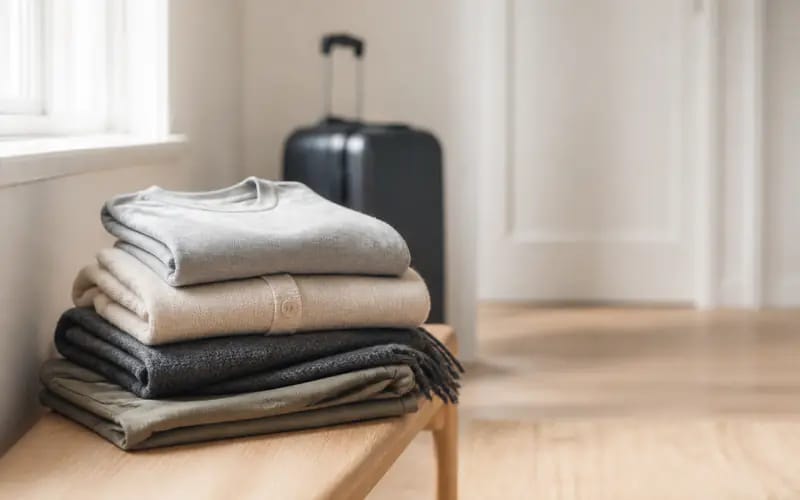
Neatly folded layers of grey, cream, charcoal and olive knitwear stacked on a wooden bench

This issue is primarily caused by long periods of sitting. As well as wearing the right clothes to prevent clots, trying to keep active during your flight and keeping yourself hydrated is recommended. It’s worth noting that excessive amounts of alcohol and caffeine can also cause dehydration, preventing proper circulation of blood and leading to poor sleep.

FAQ

Don’t forget – compression socks are designed to be worn by passengers with recognised risk factors for DVT and are recommended to be worn under medical advice. The majority of passengers don’t need to wear compression socks.

The NHS states that DVT occurs more often in people who are undertaking long journeys (over 4 hours), who are pregnant, who have recently had surgery, and who are dehydrated.

Cotton, Bamboo and Merino Wool are best fabrics to wear on long haul flights as they breathe very well and therefore are perfect for changing temperatures in dry cabin air. Most synthetic fibres do not breathe as well and can therefore make you feel hot and clammy.

Shoes and belts that save time? Slip-on shoes or boots with minimal metal are perfect for a security check, as are belts made of low-metal fabric.

Warning signs of DVT to look out for after your flight. If you experience any of the following symptoms on the affected leg, seek immediate medical attention: Swelling; Pain or tenderness; Feeling of warmth; Redness. This does not mean you will have DVT but if you have been on a long flight it is best to get it checked out by a doctor or NHS Service rather than waiting for symptoms to go away.

There is a bit to consider in terms of your clothing on a long flight but the majority of it can be planned for and as mentioned previously, it does make for a more comfortable flight. Compression socks are something that are intended for people with specific risk factors and to be worn as recommended by medical advice. They are not something that is intended to be purchased and worn by every passenger on every economy seat.
Dubai Visa Requirements for UK Visitors
Travel Rights

Dubai Visa Requirements for UK Visitors

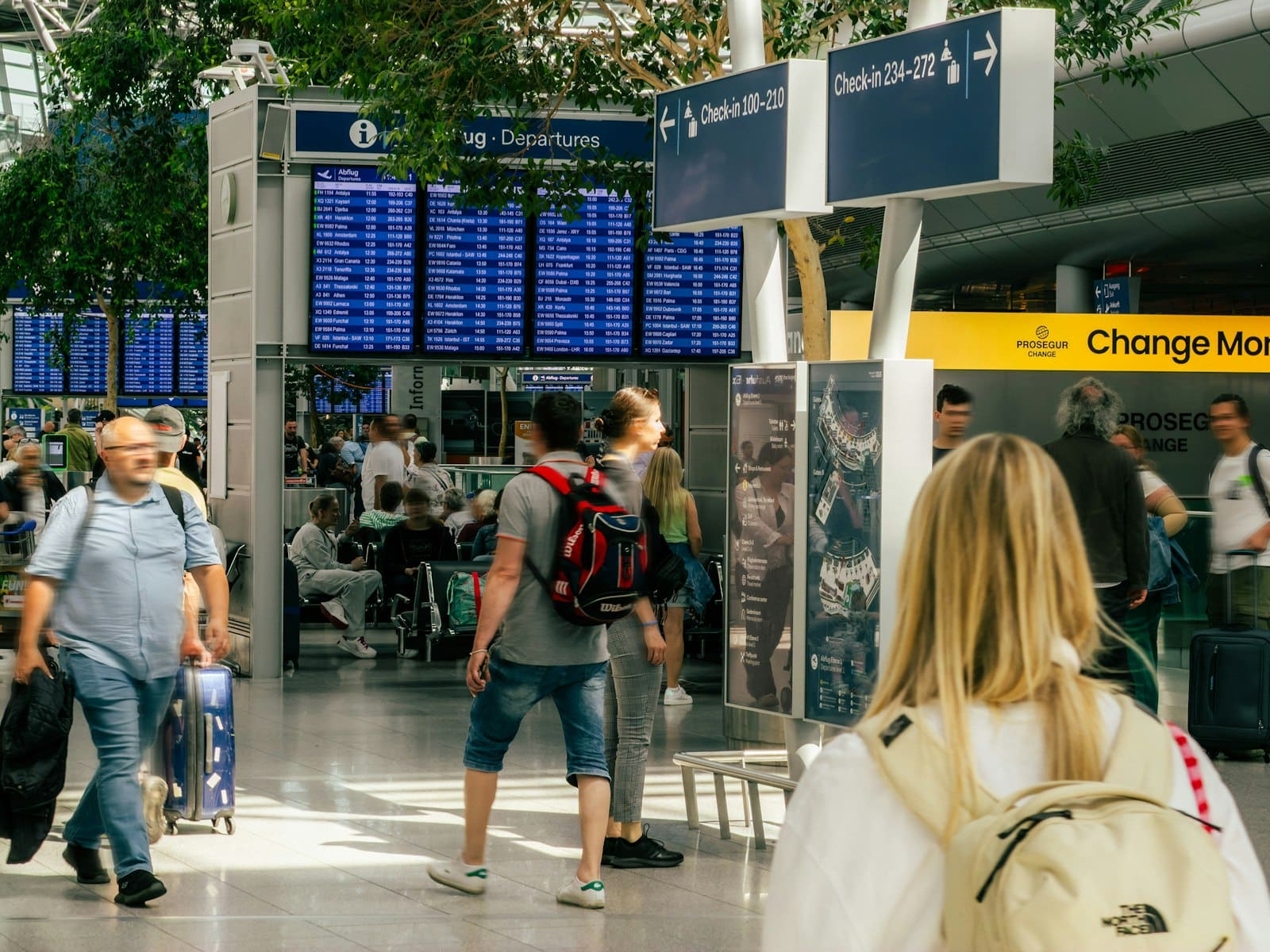
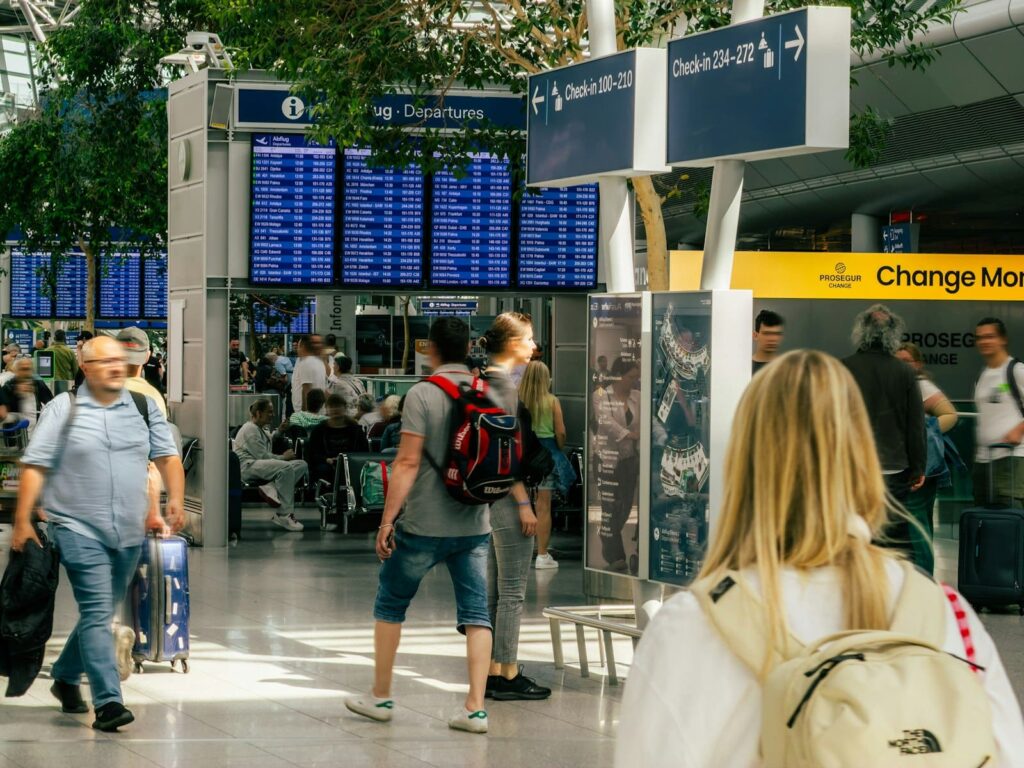
Travellers with backpacks and wheeled suitcases walking past a bank of blue departures screens and check-in signs in a busy airport terminal
Package Holidays, Travel Rights

Package Holiday Regulations Explained: ATOL, ABTA and Your Rights When Things Go Wrong

Vaccinations You'll Need for Thailand
Tips

Vaccinations You’ll Need for Thailand

Getting an Emergency Passport Abroad
Package Holidays

Getting an Emergency Passport Abroad

Warm Destinations for October Half Term
Budget Travel

Warm Destinations for October Half Term

How to Layer for a Long Haul Flight

Blog

Working out what to wear on a long haul flight is less to do with choosing clothes for a journey and more to do with trying to manage a dry, cold and often stationary cabin environment over a long period of time. A simple layering system, that has been chosen with comfort and the promotion of circulation in mind, is likely to provide more benefit than wearing a single ‘travel outfit’.

Why Loose Layers Matter

The aircraft cabin is approximately 20% humidity which is comparable to a very dry desert. It is also subject to variations in temperature. The Civil Aviation Authority (CAA) describe the cabin temperature as changing during the course of the flight and recommend that passengers wear the most comfortable clothes that they have bringing loose, non-restrictive clothing. Tight clothing including waistbands and tight trousers can become uncomfortable after a few hours but also restrict circulation to the legs.

Pick A Breathable Base Layer

You start with the layer closest to your skin. Choose materials such as cotton, bamboo or merino wool as they allow for good moisture transport and are much better than synthetic fibres in a dry environment. Merino wool in particular is good for temperature regulation and is often a good choice for long-sleeved tops even for people who normally run hot. Avoid tight clothing as it restricts the movement of your legs and can cause problems in the ankles.

Add A Mid Layer You Can Shed

One item to include in your hand luggage is a jumper or cardigan. This is the most useful item to include as the cabin temperature cannot be changed on a zone by zone basis. So a large jumper or cardigan is ideal to wear when the plane gets cold and then roll up and put in your seat pocket or under-seat bag when you get hotter a few hours later.

Choose An Outer Layer With A Second Job

Your outer layer will double up as a blanket, on the plane and also after you arrive. If you can also use it as a pillow then all the better. We recommend travelling with items that will be used again and again. This could be a soft jacket, a scarf or even a travel wrap. These items will be used on the plane and then again on your travels after you arrive.

Footwear That Gets Through Security Faster

Reaching for your shoes in your hand luggage after your seatbelt signs have been turned off can be a race against time as other passengers are piling up behind you. In addition to choosing clothes that are suitable for flying, choosing the right footwear is also very important. Instead of awkwardly trying to lace up tight shoes whilst other people are queueing up behind you, slip-on shoes or even boots are ideal as they contain very little metal, which will speed up your time at security checks.

Belts And Accessories Worth Rethinking

Belt buckles, large watches and loads of jewellery made of metal can also slow down the security process. Refer to the Government’s hand luggage restrictions on the gov.uk website to see what else in your luggage could be flagged up for further searching. Pack a belt made of fabric or with a low amount of metal instead of a traditional one and leave your expensive jewellery at home. It’s just one of the items you don’t want to have to take out of your case at the security screening.

Who Actually Needs Compression Socks

While many long haul lists mention compression socks, these are not necessarily something that all passengers need. While there are some journey types that are classed as DVT risk, such as very long journeys (over 4 hours), and some situations where you are at higher risk (such as when pregnant or having recently had surgery), for the majority of healthy passengers the main things to help reduce your risk of developing a DVT on long haul flights are to try to keep yourself hydrated on the flight (drink plenty of water and avoid alcohol and excess caffeine), to try to move up and down the aisle of the cabin as frequently as possible and to try to keep your ankles and the calves of your legs flexible by gently flexing your ankles up and down. For what to wear on a long haul flight, visit https://travelsnews.co.uk/trends/the-layer-that-never-goes-out-of-fashion-because-it-never-gets-the-chance-to/.

Movement And Hydration On Board

Neatly folded layers of grey, cream, charcoal and olive knitwear stacked on a wooden bench

This issue is primarily caused by long periods of sitting. As well as wearing the right clothes to prevent clots, trying to keep active during your flight and keeping yourself hydrated is recommended. It’s worth noting that excessive amounts of alcohol and caffeine can also cause dehydration, preventing proper circulation of blood and leading to poor sleep.

FAQ

Don’t forget – compression socks are designed to be worn by passengers with recognised risk factors for DVT and are recommended to be worn under medical advice. The majority of passengers don’t need to wear compression socks.

The NHS states that DVT occurs more often in people who are undertaking long journeys (over 4 hours), who are pregnant, who have recently had surgery, and who are dehydrated.

Cotton, Bamboo and Merino Wool are best fabrics to wear on long haul flights as they breathe very well and therefore are perfect for changing temperatures in dry cabin air. Most synthetic fibres do not breathe as well and can therefore make you feel hot and clammy.

Shoes and belts that save time? Slip-on shoes or boots with minimal metal are perfect for a security check, as are belts made of low-metal fabric.

Warning signs of DVT to look out for after your flight. If you experience any of the following symptoms on the affected leg, seek immediate medical attention: Swelling; Pain or tenderness; Feeling of warmth; Redness. This does not mean you will have DVT but if you have been on a long flight it is best to get it checked out by a doctor or NHS Service rather than waiting for symptoms to go away.

There is a bit to consider in terms of your clothing on a long flight but the majority of it can be planned for and as mentioned previously, it does make for a more comfortable flight. Compression socks are something that are intended for people with specific risk factors and to be worn as recommended by medical advice. They are not something that is intended to be purchased and worn by every passenger on every economy seat.

Dubai Visa Requirements for UK Visitors

Dubai Visa Requirements for UK Visitors

Travellers with backpacks and wheeled suitcases walking past a bank of blue departures screens and check-in signs in a busy airport terminal

Package Holiday Regulations Explained: ATOL, ABTA and Your Rights When Things Go Wrong

Vaccinations You'll Need for Thailand

Vaccinations You’ll Need for Thailand

Getting an Emergency Passport Abroad

Getting an Emergency Passport Abroad

Warm Destinations for October Half Term

Warm Destinations for October Half Term