New free tool Holiday spending money calculator
Skip to main content
Rock placed beneath airplane seat

The Rock Under Your Ryanair Seat

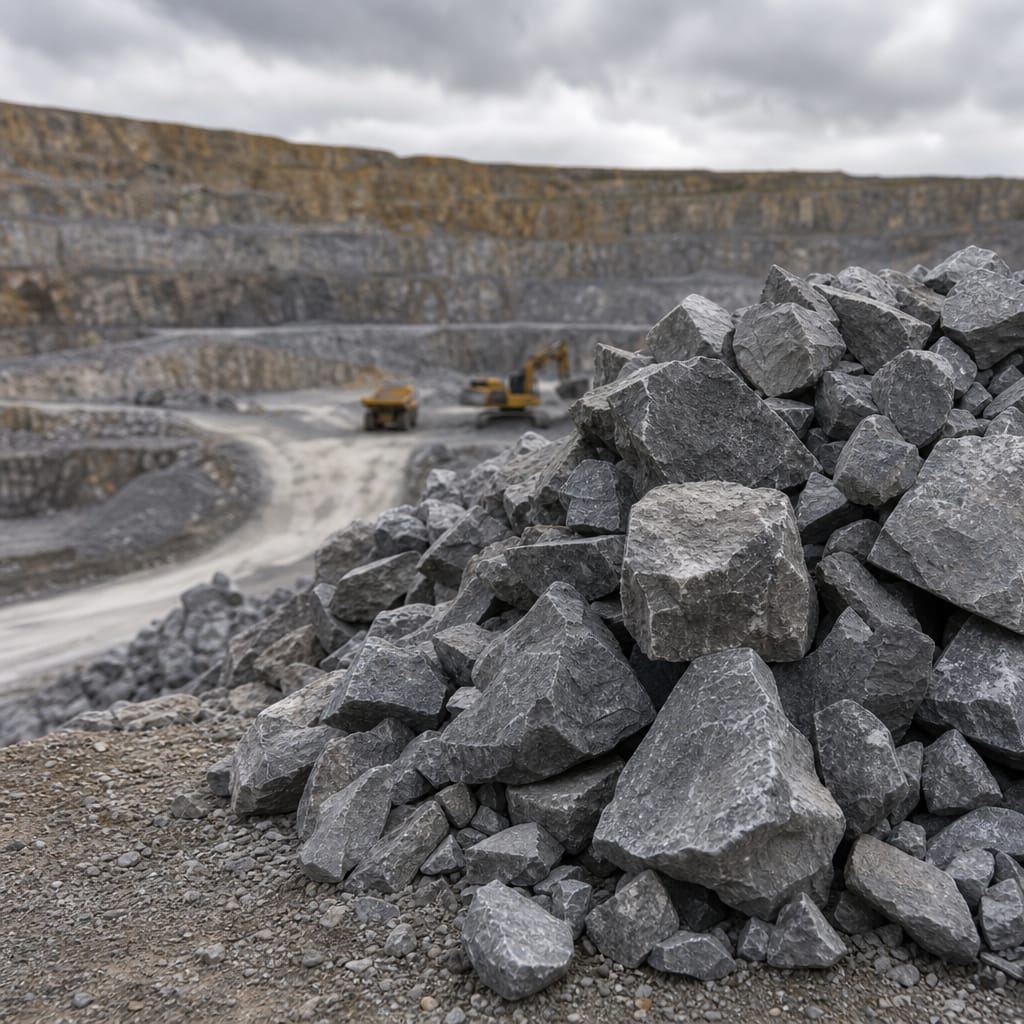
There's a quarry in the Mendip Hills in Somerset that has been blasting limestone out of the ground since the 1800s. Today, a good chunk of what it produces ends up as rail ballast – the angular grey stones packed under railway sleepers that keep the track from shifting. Some of it becomes aggregate for runway resurfacing. Some goes into the sea defences protecting the coastal roads that feed major ports. None of it, in any obvious sense, has anything to do with your £29 flight to Málaga. And yet, in a quiet and slightly strange way, it has everything to do with it.

The Bit Nobody Mentions When They Talk About Cheap Travel

Budget travel is usually discussed as if it's a product of airlines, algorithms, and fuel prices. Which it partly is. But underneath all of that is a much more literal infrastructure: actual physical stuff – roads, runways, rail lines, harbour walls – that has to be built, resurfaced, and repaired constantly. And all of that requires enormous quantities of rock.
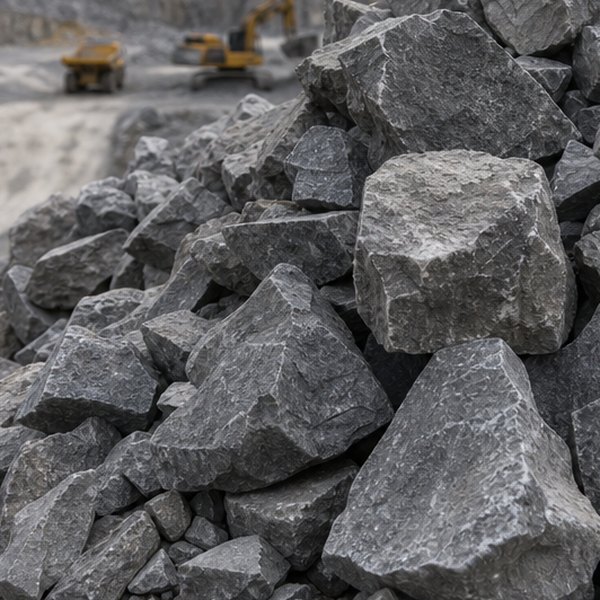
Rock placed beneath airplane seat — detail

Britain happens to sit on one of the most varied and accessible geological inheritances in Europe. Carboniferous limestone in the Pennines and Mendips. Granite in Cornwall, Aberdeenshire, and the Lake District. Sandstone across the Midlands and the Scottish Borders. These aren't just scenic backdrops. They're working quarries, and their output feeds directly into the cost base of the transport links that make cheap travel function.

Why Supply Chains for Stone Are Getting Complicated

Global trade in construction aggregates has been tightening. Several of the large-scale quarrying regions that European countries have relied on – parts of Scandinavia, the Baltic states, southern Spain – are facing stricter environmental controls, rising extraction costs, and logistics pressures that are quietly pushing import prices up. When the cost of sourcing and moving bulk materials goes up, infrastructure maintenance gets deferred, or it gets more expensive. Eventually that cost finds its way into the price of the thing the infrastructure supports.

Countries with healthy domestic supply have a buffer. Britain, for all its complaints about planning permission and nimbyism around quarrying, is actually sitting on that buffer. The limestone belts, the granite, the crushed rock for drainage layers under tarmac – it's here, and relatively close to where it's needed.

What This Means for Where Budget Holidays Go Next

The destinations that stay genuinely cheap in the coming decade are likely to be the ones served by transport infrastructure with a manageable maintenance cost base. That points, perhaps surprisingly, toward well-connected European cities with good domestic stone supply and short overland freight routes – and away from some of the more remote Mediterranean spots where getting aggregate to a runway extension involves a small shipping operation.

It also means that the UK's own departure infrastructure – the regional airports, the motorway networks, the rail links to major hubs – is in a quietly stronger position than the headlines about transport funding suggest. The raw material to keep it running is, geologically speaking, right here.

Which makes the Somerset quarry a stranger thing than it looks. Less a hole in a hill, more a small but real part of the reason someone in Bristol can fly to Seville for less than a tank of petrol.

Questions this raises

  • How much stone does resurfacing a runway take?
  • Who pays for the roads and rail serving airports?
  • Why is so much UK quarrying in the Mendips?
  • Does any of that cost show up in your fare?
Dubai Visa Requirements for UK Visitors
Travel Rights

Dubai Visa Requirements for UK Visitors

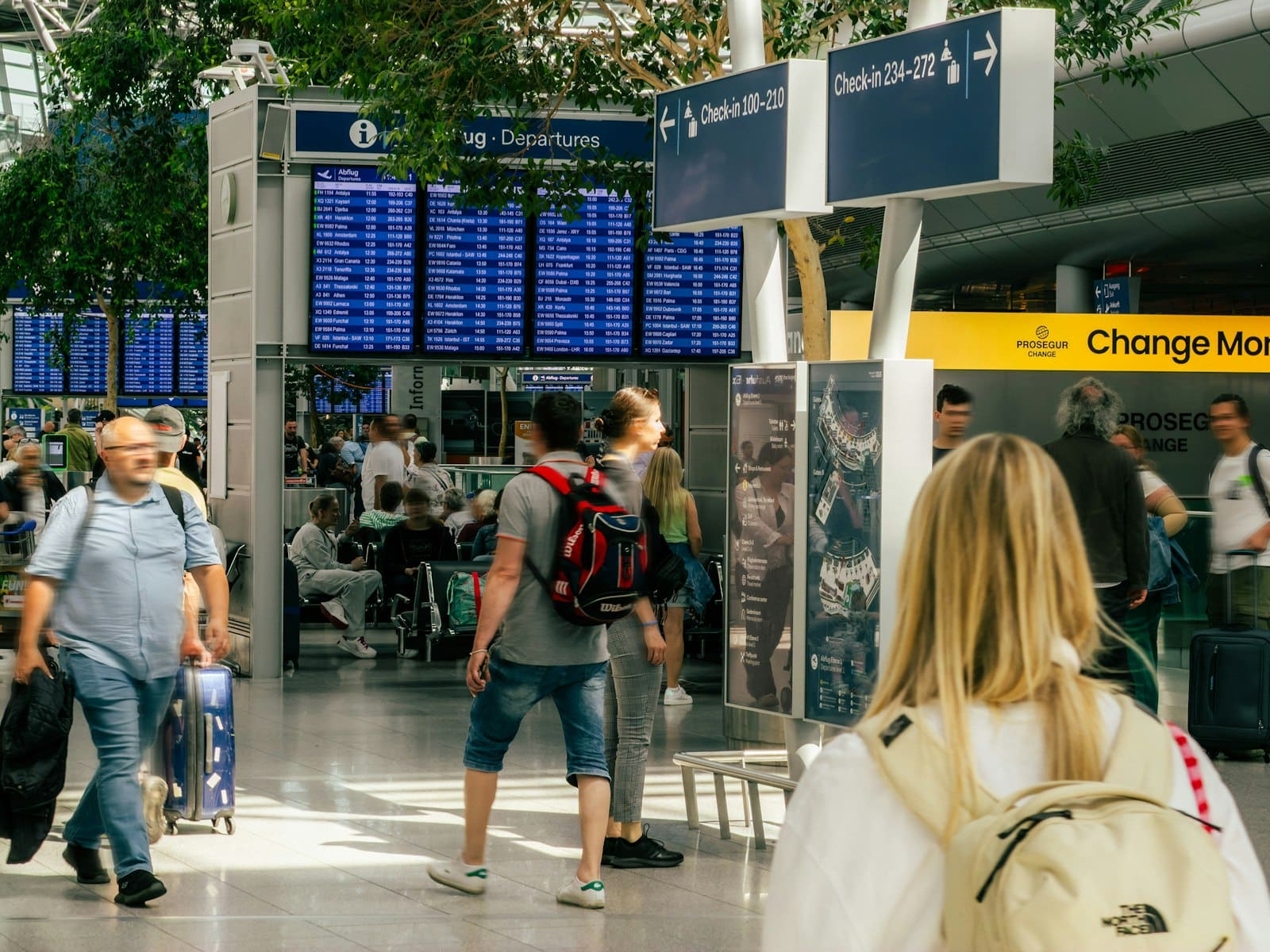
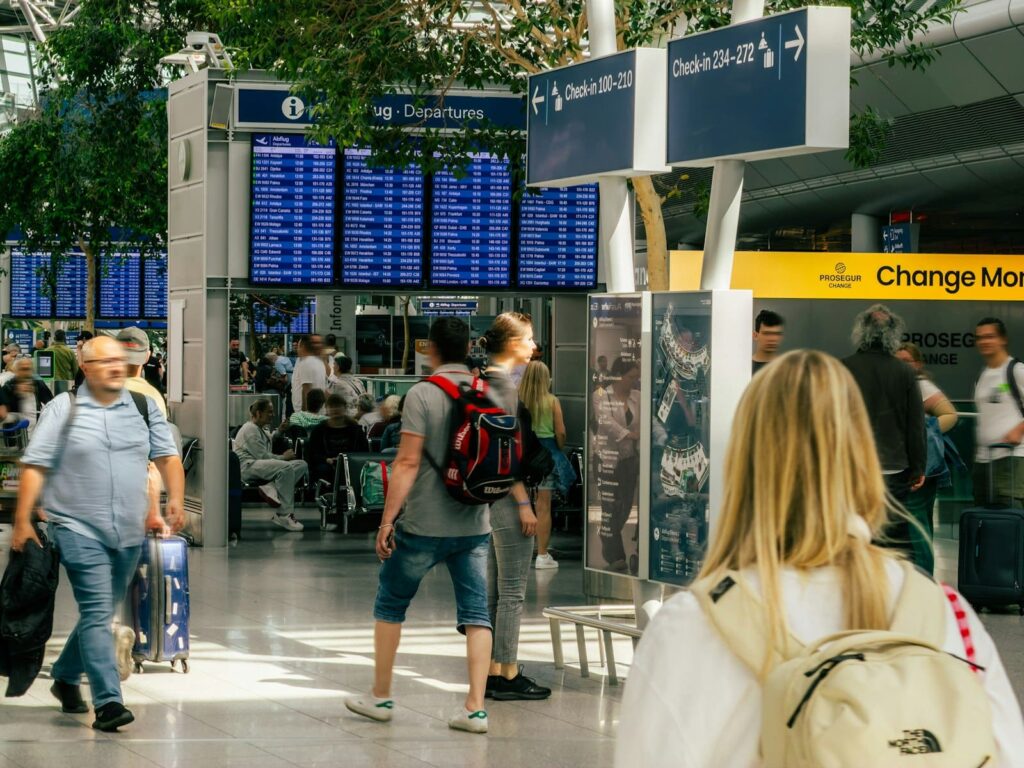
Travellers with backpacks and wheeled suitcases walking past a bank of blue departures screens and check-in signs in a busy airport terminal
Package Holidays, Travel Rights

Package Holiday Regulations Explained: ATOL, ABTA and Your Rights When Things Go Wrong

Vaccinations You'll Need for Thailand
Tips

Vaccinations You’ll Need for Thailand

Getting an Emergency Passport Abroad
Package Holidays

Getting an Emergency Passport Abroad

How to Layer for a Long Haul Flight
Blog

How to Layer for a Long Haul Flight

The Rock Under Your Ryanair Seat

There's a quarry in the Mendip Hills in Somerset that has been blasting limestone out of the ground since the 1800s. Today, a good chunk of what it produces ends up as rail ballast – the angular grey stones packed under railway sleepers that keep the track from shifting. Some of it becomes aggregate for runway resurfacing. Some goes into the sea defences protecting the coastal roads that feed major ports. None of it, in any obvious sense, has anything to do with your £29 flight to Málaga. And yet, in a quiet and slightly strange way, it has everything to do with it.

The Bit Nobody Mentions When They Talk About Cheap Travel

Budget travel is usually discussed as if it's a product of airlines, algorithms, and fuel prices. Which it partly is. But underneath all of that is a much more literal infrastructure: actual physical stuff – roads, runways, rail lines, harbour walls – that has to be built, resurfaced, and repaired constantly. And all of that requires enormous quantities of rock.

Rock placed beneath airplane seat — detail

Britain happens to sit on one of the most varied and accessible geological inheritances in Europe. Carboniferous limestone in the Pennines and Mendips. Granite in Cornwall, Aberdeenshire, and the Lake District. Sandstone across the Midlands and the Scottish Borders. These aren't just scenic backdrops. They're working quarries, and their output feeds directly into the cost base of the transport links that make cheap travel function.

Why Supply Chains for Stone Are Getting Complicated

Global trade in construction aggregates has been tightening. Several of the large-scale quarrying regions that European countries have relied on – parts of Scandinavia, the Baltic states, southern Spain – are facing stricter environmental controls, rising extraction costs, and logistics pressures that are quietly pushing import prices up. When the cost of sourcing and moving bulk materials goes up, infrastructure maintenance gets deferred, or it gets more expensive. Eventually that cost finds its way into the price of the thing the infrastructure supports.

Countries with healthy domestic supply have a buffer. Britain, for all its complaints about planning permission and nimbyism around quarrying, is actually sitting on that buffer. The limestone belts, the granite, the crushed rock for drainage layers under tarmac – it's here, and relatively close to where it's needed.

What This Means for Where Budget Holidays Go Next

The destinations that stay genuinely cheap in the coming decade are likely to be the ones served by transport infrastructure with a manageable maintenance cost base. That points, perhaps surprisingly, toward well-connected European cities with good domestic stone supply and short overland freight routes – and away from some of the more remote Mediterranean spots where getting aggregate to a runway extension involves a small shipping operation.

It also means that the UK's own departure infrastructure – the regional airports, the motorway networks, the rail links to major hubs – is in a quietly stronger position than the headlines about transport funding suggest. The raw material to keep it running is, geologically speaking, right here.

Which makes the Somerset quarry a stranger thing than it looks. Less a hole in a hill, more a small but real part of the reason someone in Bristol can fly to Seville for less than a tank of petrol.

Questions this raises

  • How much stone does resurfacing a runway take?
  • Who pays for the roads and rail serving airports?
  • Why is so much UK quarrying in the Mendips?
  • Does any of that cost show up in your fare?
Dubai Visa Requirements for UK Visitors

Dubai Visa Requirements for UK Visitors

Travellers with backpacks and wheeled suitcases walking past a bank of blue departures screens and check-in signs in a busy airport terminal

Package Holiday Regulations Explained: ATOL, ABTA and Your Rights When Things Go Wrong

Vaccinations You'll Need for Thailand

Vaccinations You’ll Need for Thailand

Getting an Emergency Passport Abroad

Getting an Emergency Passport Abroad

How to Layer for a Long Haul Flight

How to Layer for a Long Haul Flight