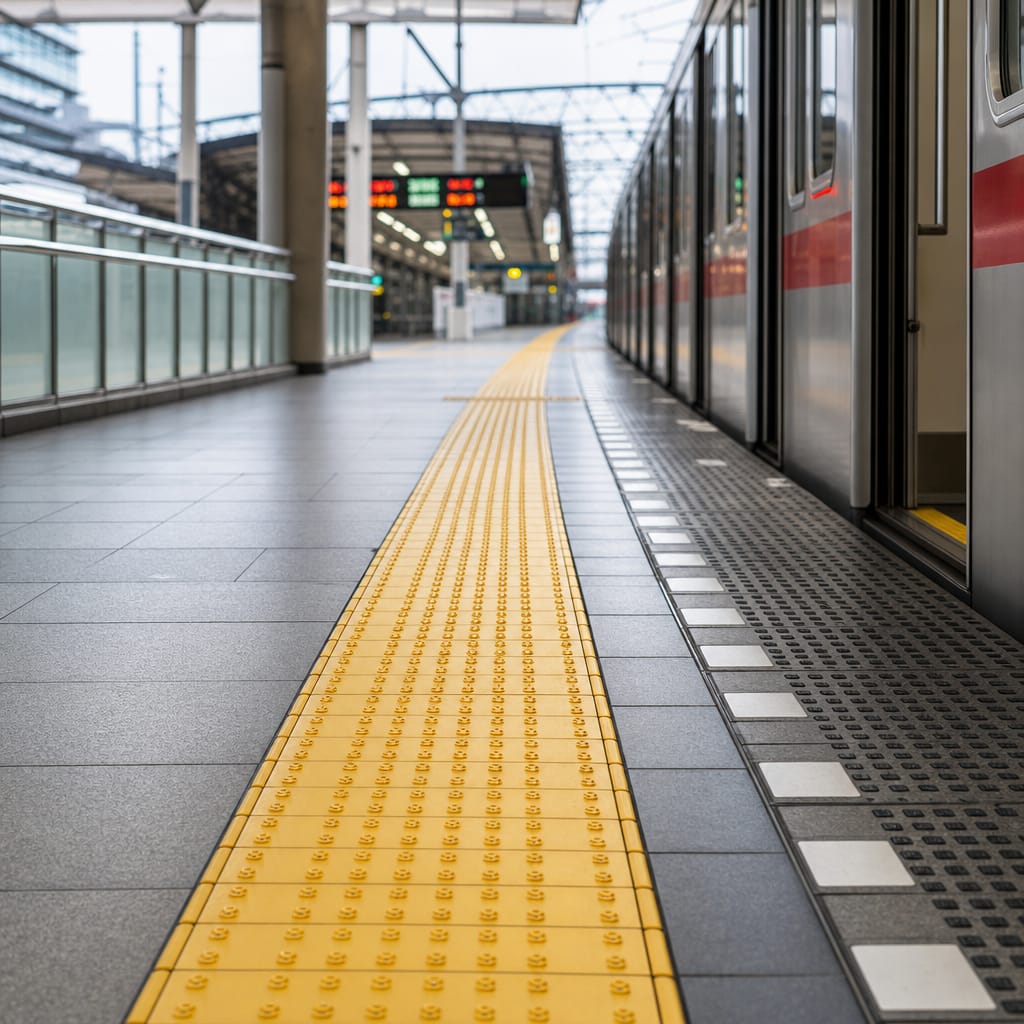
Stand in the middle of Tokyo station and watch someone who is deaf navigating it. They're fine. They're better than fine, actually – they're moving with a kind of fluency that any bewildered hearing tourist, headphones in, waiting for an announcement to tell them which platform to use, would quietly envy. That's because Tokyo station wasn't just designed for people who can hear. It was designed for everyone, and the difference is written right into the floor.
Most of us, when we visit a new city, are listening to it without realising we're doing it. The Tube driver's muffled announcement, the bell before the train doors close, the audio countdown at the pedestrian crossing, the waiter calling your name when the table is ready. Strip all of that away. Ask yourself: what's left? What does this city look like when you're reading its non-audio layer instead?
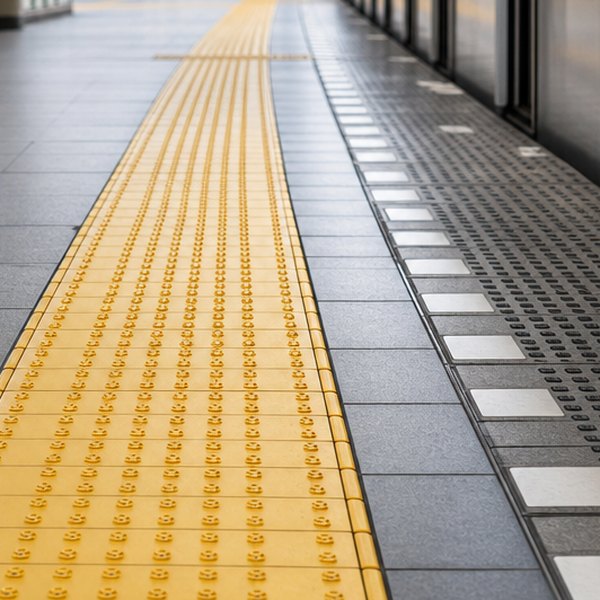
How does Tokyo station signpost platforms visually?
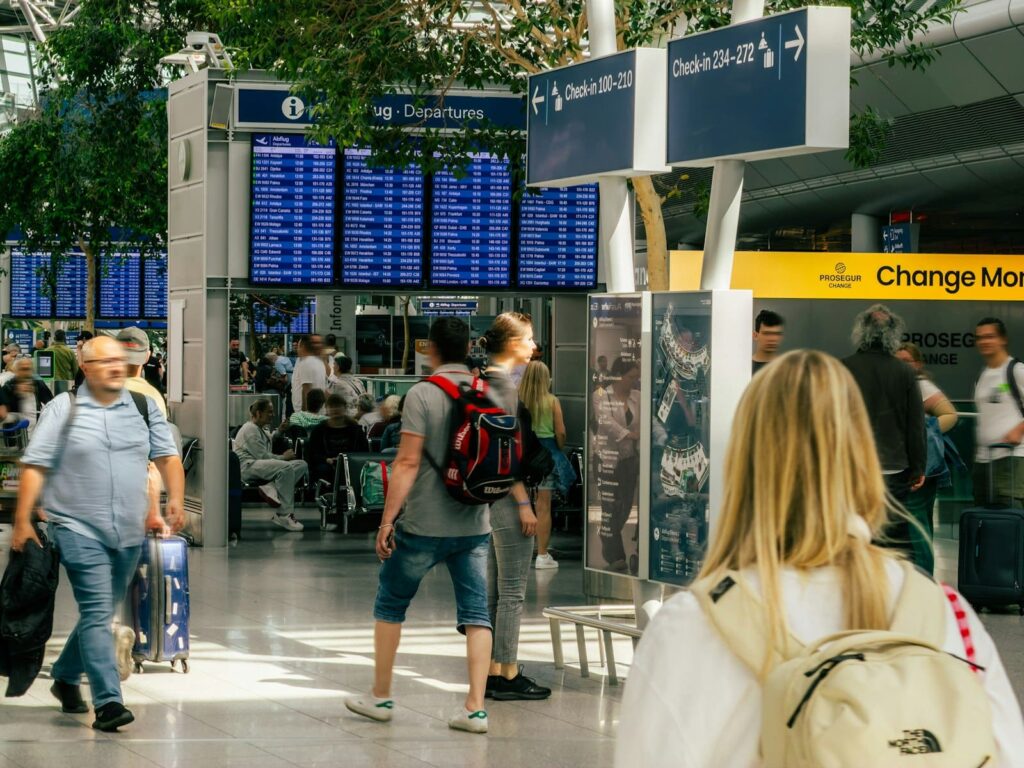
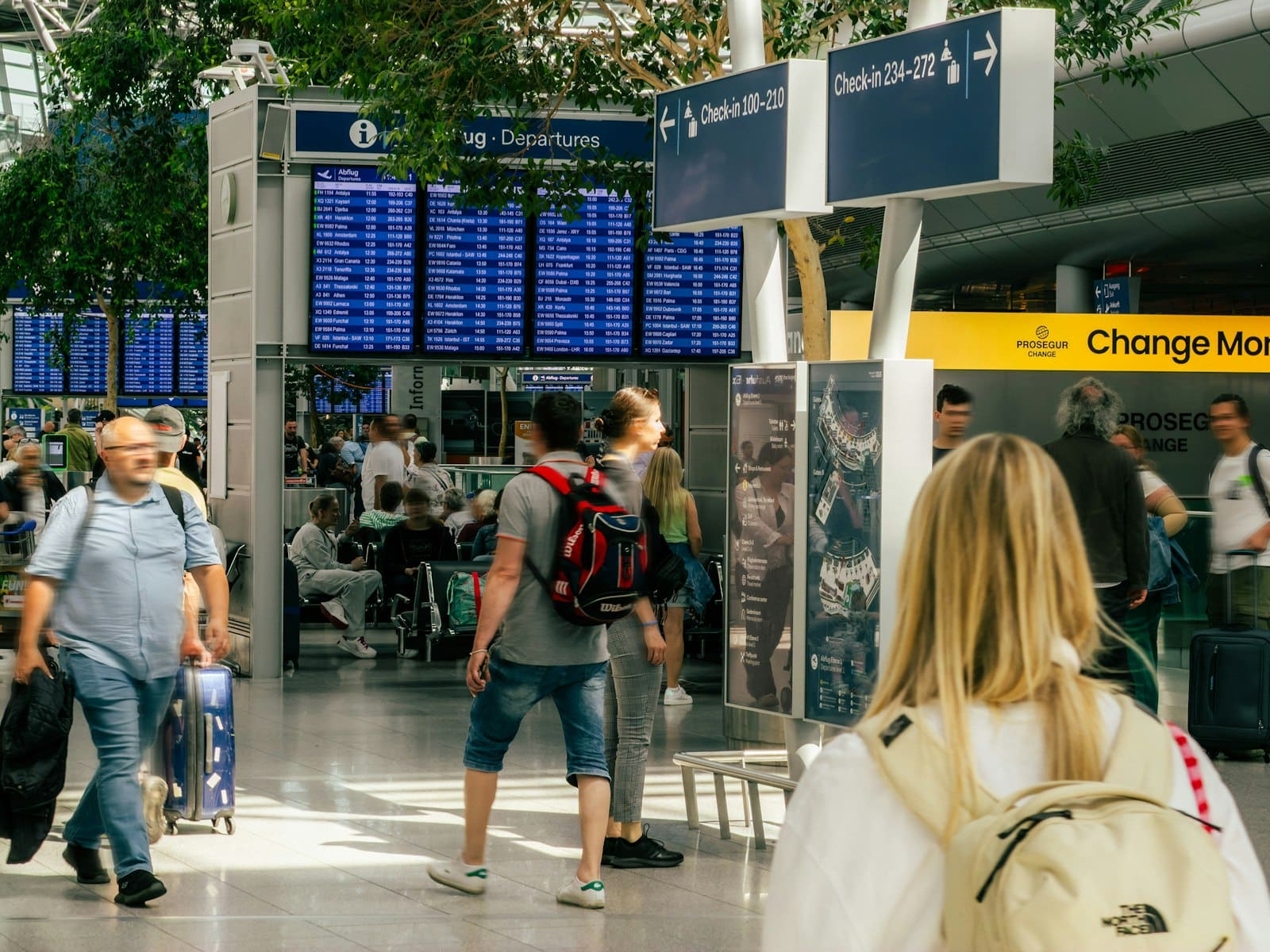
Tokyo's non-audio infrastructure is, frankly, a bit embarrassing for everywhere else. The tactile paving – those raised yellow strips running along platforms and pavements – isn't just for blind travellers. It's a visual and physical grammar that organises the entire public space. Departure boards update in real time with kanji, English, pictograms, and colour coding. Every train door, every public toilet, every ticket machine has been thought through on the assumption that you might not hear a single thing and still need to work it out in under thirty seconds. The city, essentially, runs on redundancy: every piece of sonic information has a parallel visual version, quietly existing alongside it.
This isn't an accident of modernity. Japan has had formal accessibility legislation since the 1990s, and the built environment reflects decades of genuine architectural intent rather than bolted-on afterthoughts.
What Rome Gets Away With
Rome is, to be blunt, almost entirely sonic. The city communicates through human voice – at the café counter, at the bus stop, at the museum entrance where the guided tour echoes off marble and the information boards are an afterthought, half in Italian, lit by a single sad spotlight. Navigating Rome as a deaf traveller is largely the experience of navigating social scripts you were never handed. There's pointing, guessing, and goodwill involved. A lot of it.
This isn't a complaint about Rome – the city is extraordinary. But it's worth sitting with the fact that "extraordinary" means something quite specific: it was designed, over centuries, around a particular kind of experiencing, and that kind of experiencing involves your ears.
The Assumptions Buried in "Great Place to Visit"
Here's what the non-audio layer of a city reveals: who the city was built for. Not in any conspiratorial sense, just in the ordinary sense that all design contains assumptions, and most of those assumptions, historically, have been about hearing people. When a destination gets celebrated for its "atmosphere" and "buzz," those words are doing a lot of quiet work.
Deaf travellers, experienced ones in particular, often describe developing a sixth sense for visual hospitality – reading how a city's signing community clusters, which neighbourhoods have the highest density of screen-based information, where the visual architecture is richest. It's a parallel map of every city, laid exactly on top of the one the rest of us use, largely invisible to anyone who doesn't need it.
Once you know it's there, you start noticing the gaps everywhere.
Questions this raises
- Which cities are easiest to navigate without hearing?
- Why do UK stations still rely on spoken announcements?
- Is visual passenger information a legal requirement here?