New free tool Holiday spending money calculator
Skip to main content
Abandoned retirement home for defunct locations

The Retirement Home for Dead Destinations

Destinations

Every few decades, somewhere stops being a place and becomes a memory of itself. The hotels don't all close at once. The souvenir shops hang on for another season or two. But something has already left – the particular quality of attention that makes a destination a destination rather than just somewhere you can go.

The interesting thing isn't that this happens. It's how tidy the process is when you look closely.
Abandoned retirement home for defunct locations — detail

The Parts Get Listed Before the House Is Even Empty

Blackpool at its height didn't just attract visitors. It generated an entire vocabulary: the illuminations, the tower, the landlady, the kiss-me-quick hat, the week away being a thing a working household actually saved for. When that particular spell began to fade in the 1970s and 1980s, those weren't just Blackpool's props. They were tourism infrastructure, the ritualised shorthand for "you are officially on holiday now," and they didn't vanish. The illuminations stayed, because they're load-bearing. But the rituals around a week in a boarding house, the particular grammar of seaside escape, migrated. They turned up slightly remixed in the Costas, slightly remixed again in Center Parcs, slightly remixed once more in whatever's being called a "staycation experience" this year.

The Aral Sea Problem

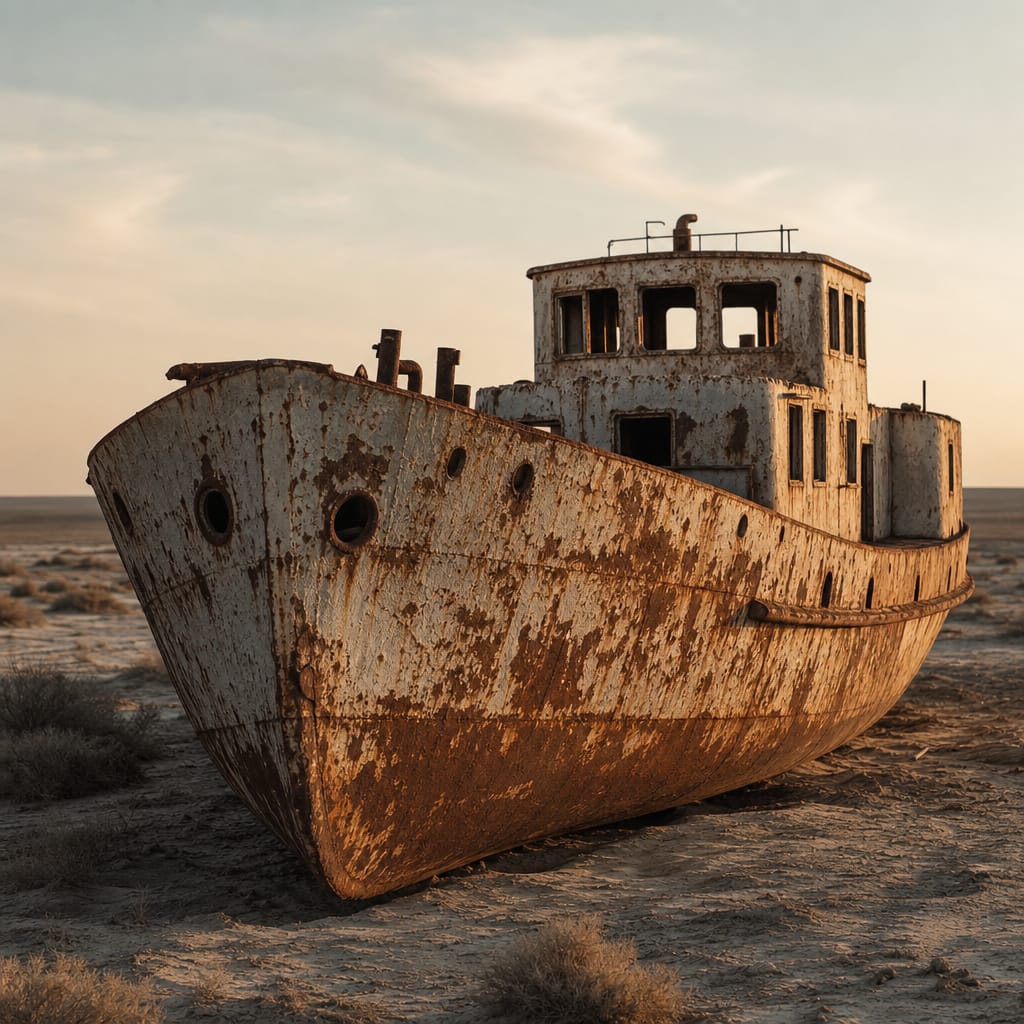
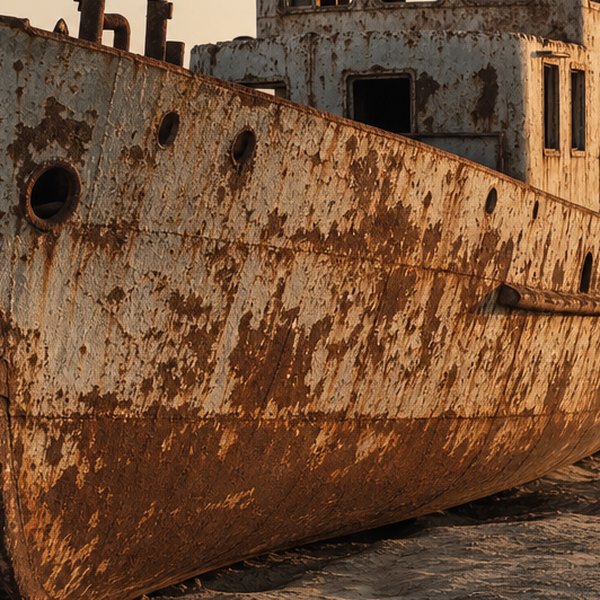
Aralsk is an extreme case, but it makes the pattern obvious. There was once a Soviet fishing port on the Aral Sea – harbours, fishermen, a local economy built entirely around the water. Then the water went. Over the course of a few decades, the sea retreated until boats were sitting in dry scrubland miles from the shoreline. What happened to the tourism infrastructure? It calcified. The rusted boats became the attraction. The tragedy of the place became its new pitch. Aralsk went from working port to destination specifically because it failed – and the failure itself was repurposed into something tour operators could sell as "raw" and "authentic". The vocabulary shifted from "thriving" to "haunting". Decommissioned, then immediately relaunched in a different register.

The Grand Tour's Forwarding Address

The original Grand Tour had fixed stops: Paris, the Alps, Florence, Rome. These were not just places – they were required viewing, a curriculum. When the railway arrived and suddenly everyone could reach them, the stops lost their prestige. The response wasn't to abandon the idea of a cultural pilgrimage. It was to forward it somewhere else. Greece, which had been impractical, became the new required viewing. Then Morocco. Then Oaxaca. Then wherever someone just published a long piece about in a Sunday supplement. The institution of "the trip that makes you cultured" stayed completely intact. Only the postcode changed, and each new location borrowed the same language – untouched, undiscovered, the real thing – that the previous stop had used before it got too busy to say it anymore.

Recognising the Cannibalisation Moment

The tell is always the same. A place starts getting described as "the new" something – the new Lisbon, the new Dubrovnik. That phrasing is tourism infrastructure being visibly transplanted. It means the old Lisbon (or wherever) has been stripped for parts, and those parts are being bolted onto a new chassis. The language of discovery, the photography spots, the recommended guesthouses, the precise type of dish described as "simple but extraordinary" – all of it moves in a convoy to the next stop.

When you spot it happening, you're watching a destination being decommissioned in real time. The thing that made the old place feel like a revelation hasn't gone anywhere. It's just been repainted and parked somewhere with cheaper flights.

Questions this raises

  • Can a declined seaside resort ever be revived?
  • Why did British resorts lose their visitors so quickly?
  • What happens to the hotels once a resort empties?
  • Which UK destinations are losing visitors right now?
Dubai Visa Requirements for UK Visitors
Travel Rights

Dubai Visa Requirements for UK Visitors

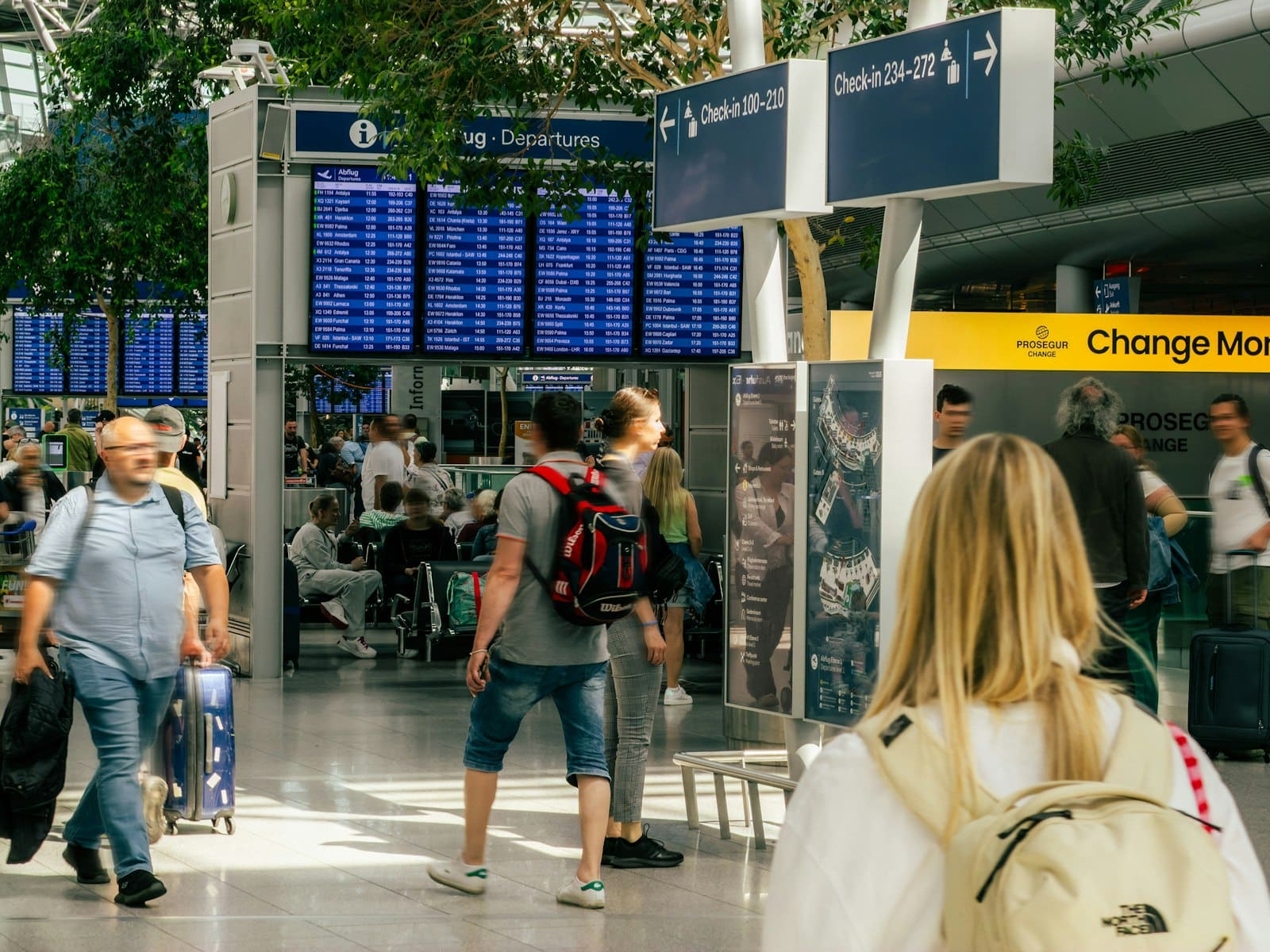
Travellers with backpacks and wheeled suitcases walking past a bank of blue departures screens and check-in signs in a busy airport terminal
Package Holidays, Travel Rights

Package Holiday Regulations Explained: ATOL, ABTA and Your Rights When Things Go Wrong

Vaccinations You'll Need for Thailand
Tips

Vaccinations You’ll Need for Thailand

Getting an Emergency Passport Abroad
Package Holidays

Getting an Emergency Passport Abroad

How to Layer for a Long Haul Flight
Blog

How to Layer for a Long Haul Flight

The Retirement Home for Dead Destinations

Destinations

Every few decades, somewhere stops being a place and becomes a memory of itself. The hotels don't all close at once. The souvenir shops hang on for another season or two. But something has already left – the particular quality of attention that makes a destination a destination rather than just somewhere you can go.

The interesting thing isn't that this happens. It's how tidy the process is when you look closely.

Abandoned retirement home for defunct locations — detail

The Parts Get Listed Before the House Is Even Empty

Blackpool at its height didn't just attract visitors. It generated an entire vocabulary: the illuminations, the tower, the landlady, the kiss-me-quick hat, the week away being a thing a working household actually saved for. When that particular spell began to fade in the 1970s and 1980s, those weren't just Blackpool's props. They were tourism infrastructure, the ritualised shorthand for "you are officially on holiday now," and they didn't vanish. The illuminations stayed, because they're load-bearing. But the rituals around a week in a boarding house, the particular grammar of seaside escape, migrated. They turned up slightly remixed in the Costas, slightly remixed again in Center Parcs, slightly remixed once more in whatever's being called a "staycation experience" this year.

The Aral Sea Problem

Aralsk is an extreme case, but it makes the pattern obvious. There was once a Soviet fishing port on the Aral Sea – harbours, fishermen, a local economy built entirely around the water. Then the water went. Over the course of a few decades, the sea retreated until boats were sitting in dry scrubland miles from the shoreline. What happened to the tourism infrastructure? It calcified. The rusted boats became the attraction. The tragedy of the place became its new pitch. Aralsk went from working port to destination specifically because it failed – and the failure itself was repurposed into something tour operators could sell as "raw" and "authentic". The vocabulary shifted from "thriving" to "haunting". Decommissioned, then immediately relaunched in a different register.

The Grand Tour's Forwarding Address

The original Grand Tour had fixed stops: Paris, the Alps, Florence, Rome. These were not just places – they were required viewing, a curriculum. When the railway arrived and suddenly everyone could reach them, the stops lost their prestige. The response wasn't to abandon the idea of a cultural pilgrimage. It was to forward it somewhere else. Greece, which had been impractical, became the new required viewing. Then Morocco. Then Oaxaca. Then wherever someone just published a long piece about in a Sunday supplement. The institution of "the trip that makes you cultured" stayed completely intact. Only the postcode changed, and each new location borrowed the same language – untouched, undiscovered, the real thing – that the previous stop had used before it got too busy to say it anymore.

Recognising the Cannibalisation Moment

The tell is always the same. A place starts getting described as "the new" something – the new Lisbon, the new Dubrovnik. That phrasing is tourism infrastructure being visibly transplanted. It means the old Lisbon (or wherever) has been stripped for parts, and those parts are being bolted onto a new chassis. The language of discovery, the photography spots, the recommended guesthouses, the precise type of dish described as "simple but extraordinary" – all of it moves in a convoy to the next stop.

When you spot it happening, you're watching a destination being decommissioned in real time. The thing that made the old place feel like a revelation hasn't gone anywhere. It's just been repainted and parked somewhere with cheaper flights.

Questions this raises

  • Can a declined seaside resort ever be revived?
  • Why did British resorts lose their visitors so quickly?
  • What happens to the hotels once a resort empties?
  • Which UK destinations are losing visitors right now?
Dubai Visa Requirements for UK Visitors

Dubai Visa Requirements for UK Visitors

Travellers with backpacks and wheeled suitcases walking past a bank of blue departures screens and check-in signs in a busy airport terminal

Package Holiday Regulations Explained: ATOL, ABTA and Your Rights When Things Go Wrong

Vaccinations You'll Need for Thailand

Vaccinations You’ll Need for Thailand

Getting an Emergency Passport Abroad

Getting an Emergency Passport Abroad

How to Layer for a Long Haul Flight

How to Layer for a Long Haul Flight