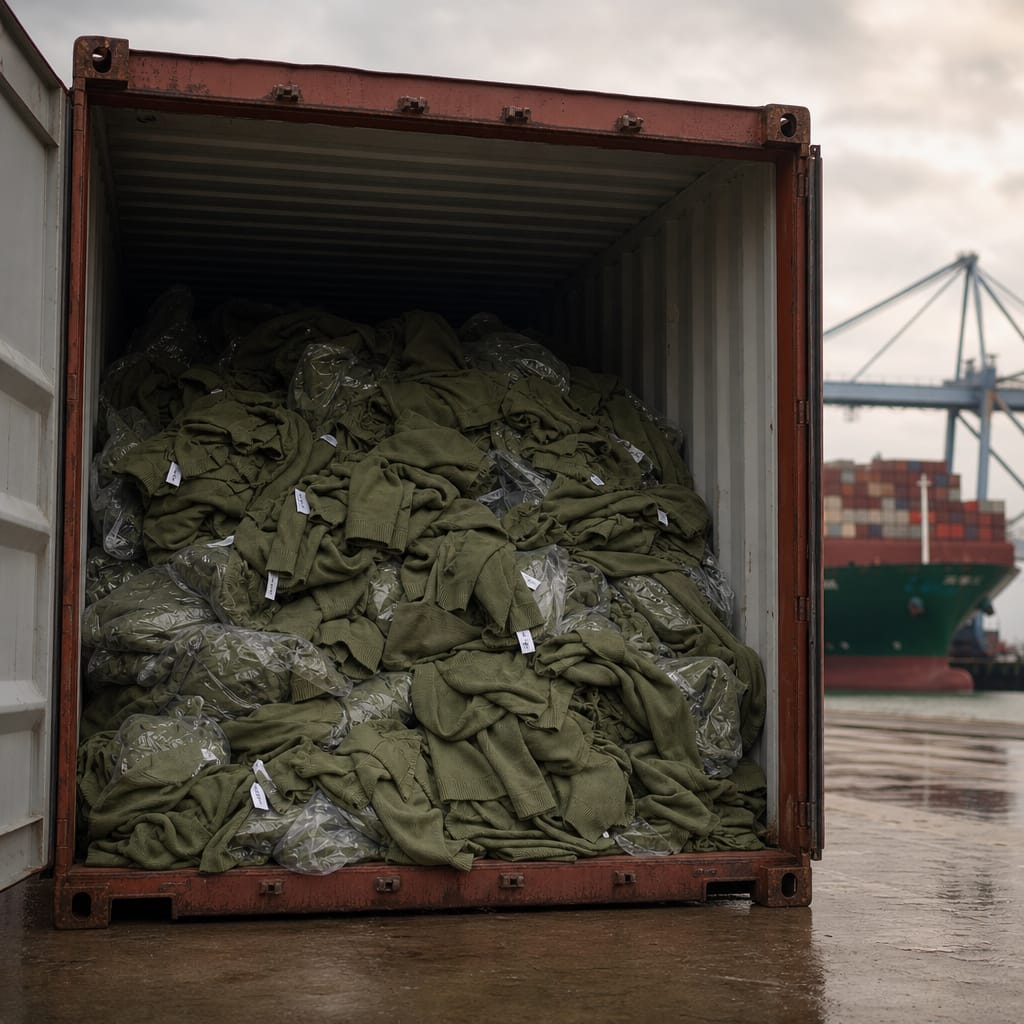
There is a shade of green somewhere between sage and khaki that had about eleven days of genuine cultural life. It appeared in the right places – a few street-style photographs, a couple of Instagram accounts that people actually follow rather than merely feel guilty about not following. And then, before most retailers had even typed it into their order systems, it was over. By the time the jumpers arrived in store, the shade had already become a punchline. This is not a cautionary tale. It's just how trends work, and the machinery behind them is more brutally precise than almost anyone realises.
The Window Is Smaller Than You Think
Most people imagine a trend as a wave – something that builds gradually, peaks visibly, and then recedes at a manageable pace. The truth is closer to a match being struck. A trend has a moment of ignition, a few weeks in which being early feels exciting rather than baffling, and then it tips into mass awareness and immediately begins dying. The window between "I want that" and "I've seen that everywhere" can be as short as three or four weeks in a fast fashion cycle. Everything the supply chain does – sourcing fabric, confirming Pantone references, booking factory slots, negotiating shipping – has to land inside that window with extraordinary accuracy. Miss it by a fortnight and you haven't just sold fewer units. You've delivered the thing into an entirely different cultural moment.
What a Slightly Wrong Green Can Do
A factory in Portugal misreads a colour reference. The difference between what was ordered and what gets produced is barely perceptible in isolation – you'd have to hold both swatches under a good light to notice. But trends live and die on the specific. The cultural signal attached to that particular green, the one photographed on the right person at the right market in Lisbon, does not transfer to a green that is 8% more yellow. The shipment arrives. It looks almost right. Except the moment has passed. The exact shade has been discussed to death on the internet, and the slight variation now reads not as close but as wrong – a bad copy of a thing people are already bored of. The retailer marks it down within three weeks.
The Six Weeks That Kill Everything
Retailers ordering six weeks too late is the most common version of this disaster, and it happens constantly because the commercial system is set up for caution. Buyers want to see evidence that a thing is working before they commit. But the evidence arrives precisely when the trend has peaked, which means the order goes in at exactly the wrong moment. The clothes land just as the early adopters have moved on and the mass market hasn't quite caught up, leaving the garments in a strange no man's land – too familiar to feel new, not widespread enough to feel classic.
The Whole System, Held Together With a Deadline
What the supply chain reveals, when you look at it this way, is that fashion trends are not really cultural phenomena that the industry responds to. They are logistical events. They succeed or fail based on timing precision most people would associate with air traffic control rather than jumpers. One delayed ship, one misunderstood swatch, one buyer who wanted one more week's data – and the whole thing dissolves before it ever had a chance. That green jumper made it off the boat. It just arrived into a world that had already forgotten why it wanted one.
FAQ
How long does a fashion trend last?
In fast fashion, the time between people wanting to buy something and it being seen everywhere can be as short as three to four weeks. Early adopters create a buzz around a new trend, but it soon spreads like wildfire and, once it is everywhere, it becomes dull and starts dying off.
Why do retailers order fashion trends too late?
Retailers order late in the cycle. The buyer wants to see proof of a trend before ordering, and by the time they have this, the trend will have reached its peak and started to die down. Around six weeks too late, a whole load of clothes will arrive after early adopters have moved on, and they will be too familiar to be of interest.
Can a slightly wrong colour ruin a fashion product?
A barely noticeable difference is enough to have a big impact. In the case described above a Portuguese factory misread a colour reference and produced a green 8% more yellow than ordered, which the online community recognised as being a bad copy of the original much discussed colour. It was marked down by the retailer within three weeks.
Why are fashion trends described as logistical events?
Their success depends on timing precision more than culture. It takes a lot of precision to source fabric, to check and confirm colour references, to book time with factories and to organise the shipping, all inside a very short window. One late delivery, a wrongly interpreted colour swatch or a buyer waiting for additional information can ruin the whole trend before it starts.