New free tool Holiday spending money calculator
Skip to main content
Luxury travel refrigeration technology innovation

The Cold Thing That Made Luxury Travel Possible

There's a version of Victorian travel that gets romanticised constantly – the Orient Express, the ocean liner, the grand hotel in Cairo. All leather and crystal and servants. But here's something that version tends to leave out: before the middle of the nineteenth century, a first-class cabin smelled almost exactly like a third-class one. The food went off at the same rate. The wine arrived at the same temperature. The rich just suffered in larger rooms.

What changed everything was not better taste, or even more money. It was ice.
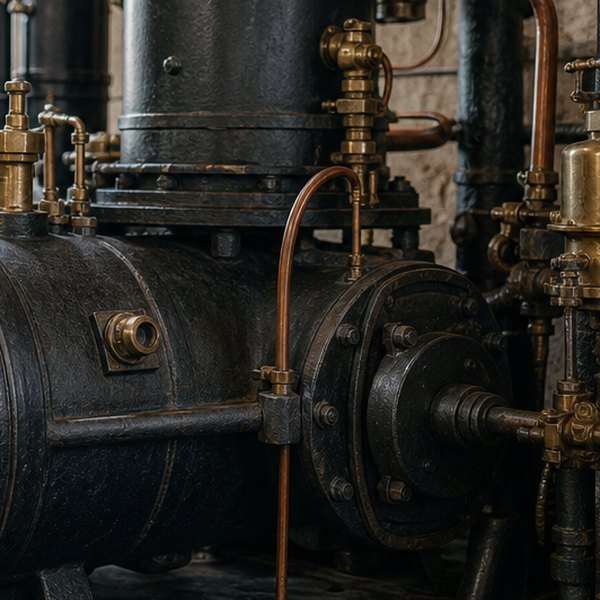
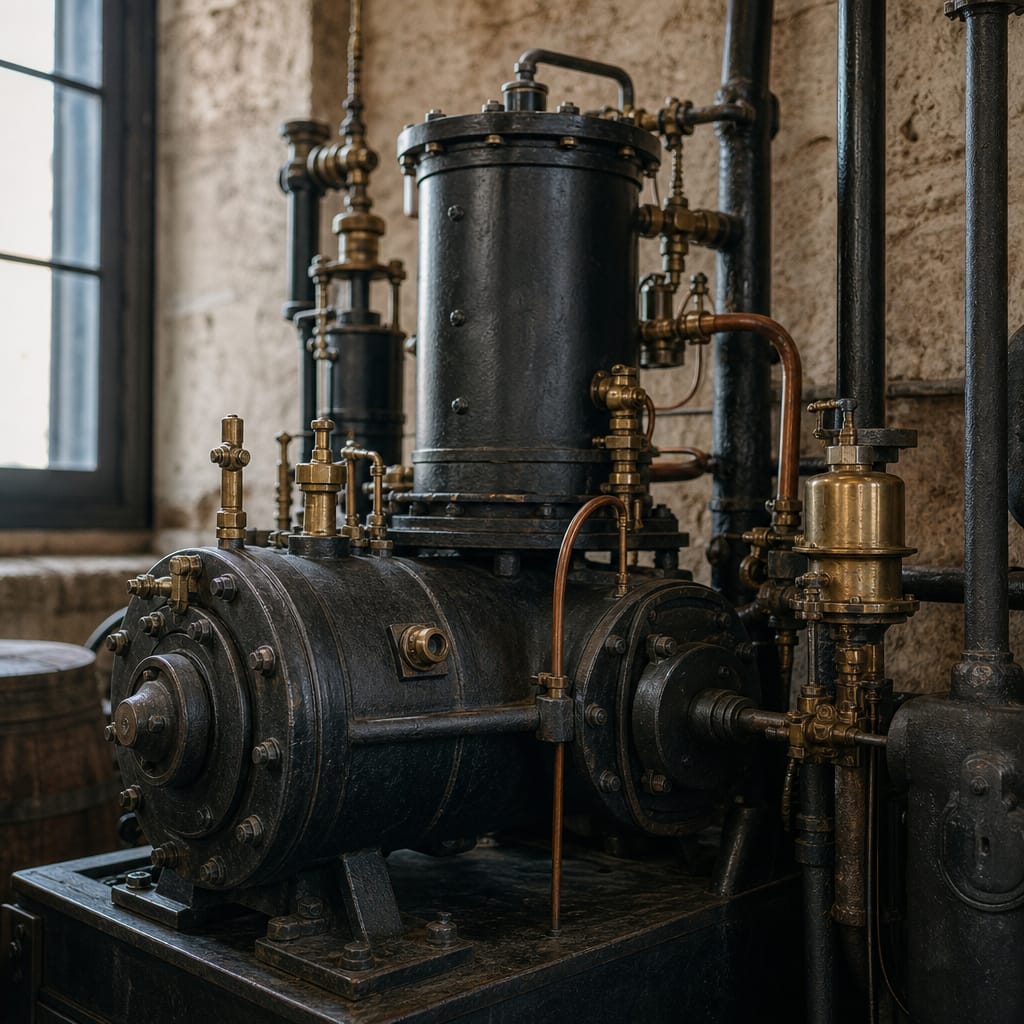
Luxury travel refrigeration technology innovation — detail

Ferdinand Carré's Rather Unsexy Revolution

In 1857, a French engineer called Ferdinand Carré built the first practical vapour-compression ice machine. Essentially a device that could manufacture controlled cold on demand, anywhere. It was not a glamorous invention – looked like industrial plumbing – but what it quietly made possible was a promise that nobody in the hospitality business had ever been able to make before: that your food would be the same tomorrow as it was today.

Before reliable mechanical refrigeration, "luxury" on the move was largely a matter of speed. You ate what hadn't turned yet. Perishables were a gamble, and a Dover sole that began its journey fresh might arrive in a state nobody wanted to think about. Wine was served at whatever temperature it happened to be. "Cellar temperature" was not a preference; it was just where you kept things and hoped.

Does refrigeration explain why grand hotels appeared when they did?

Once ice-making machinery started moving into hotels, railway dining cars and ocean liners through the 1860s and 1870s, something genuinely new became possible. A hotelier could guarantee, for the first time, a consistent standard across geography and time. The same ingredients. The same temperatures. The same menu pulled off reliably whether you were in Paris or Port Said.

This is what the grand hotel is actually built on – not marble lobbies or livery (those are decoration) but the logistical promise that your experience will be controlled. Claridge's and the Savoy, Raffles in Singapore, the Shepheard's in Cairo: these places became bywords for "luxury" not just because they were expensive, but because they could replicate a standard that travel had previously made impossible. Cold storage let a kitchen plan. Planning let a kitchen promise. And a promise, reliably kept, is the entire foundation of what we now call five-star hospitality.

What "Luxury Travel" Actually Means Now

When you book a luxury holiday today – the private villa, the first-class long-haul seat with a tasting menu, the chartered yacht with a sommelier who takes wine temperature personally – you are buying, in a very direct line, the thing Carré's machine first made available. The guarantee that your comfort is not going to be undone by entropy. That the distance you travel will not degrade the experience. That the lobster reached you cold.

It's a funny thing to trace luxury back to a piece of Victorian refrigeration engineering. But "luxury travel" as a repeatable, exportable product – as something you can sell, market and deliver consistently anywhere on earth – starts precisely there, in controlled cold. The soft furnishings came later.

Questions this raises

  • How did ships stop ice melting on long voyages?
  • When did refrigeration reach ordinary passenger ships?
  • What did first-class shipboard food taste like before ice?
Dubai Visa Requirements for UK Visitors
Travel Rights

Dubai Visa Requirements for UK Visitors

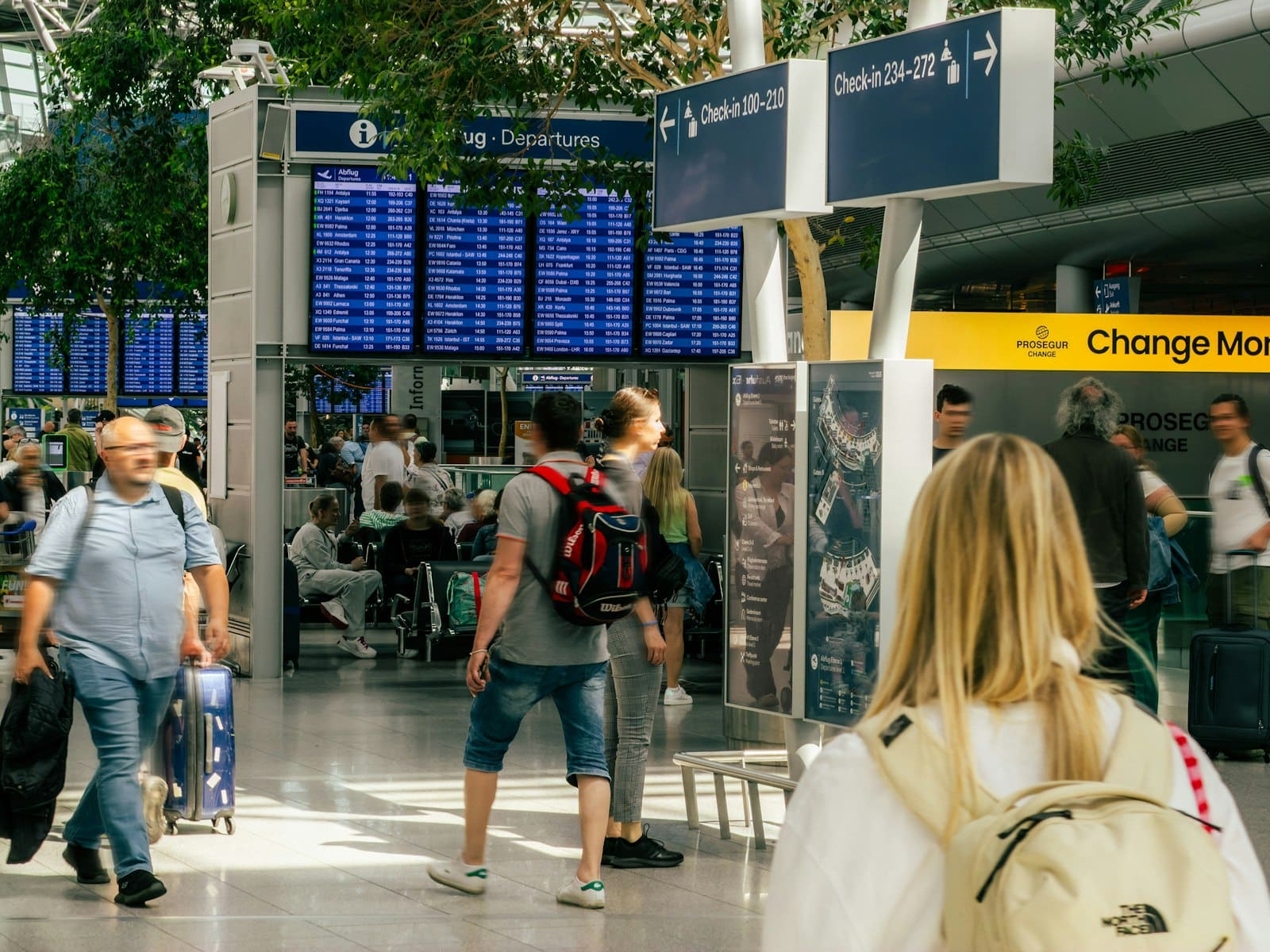
Travellers with backpacks and wheeled suitcases walking past a bank of blue departures screens and check-in signs in a busy airport terminal
Package Holidays, Travel Rights

Package Holiday Regulations Explained: ATOL, ABTA and Your Rights When Things Go Wrong

Vaccinations You'll Need for Thailand
Tips

Vaccinations You’ll Need for Thailand

Getting an Emergency Passport Abroad
Package Holidays

Getting an Emergency Passport Abroad

How to Layer for a Long Haul Flight
Blog

How to Layer for a Long Haul Flight

The Cold Thing That Made Luxury Travel Possible

There's a version of Victorian travel that gets romanticised constantly – the Orient Express, the ocean liner, the grand hotel in Cairo. All leather and crystal and servants. But here's something that version tends to leave out: before the middle of the nineteenth century, a first-class cabin smelled almost exactly like a third-class one. The food went off at the same rate. The wine arrived at the same temperature. The rich just suffered in larger rooms.

What changed everything was not better taste, or even more money. It was ice.

Luxury travel refrigeration technology innovation — detail

Ferdinand Carré's Rather Unsexy Revolution

In 1857, a French engineer called Ferdinand Carré built the first practical vapour-compression ice machine. Essentially a device that could manufacture controlled cold on demand, anywhere. It was not a glamorous invention – looked like industrial plumbing – but what it quietly made possible was a promise that nobody in the hospitality business had ever been able to make before: that your food would be the same tomorrow as it was today.

Before reliable mechanical refrigeration, "luxury" on the move was largely a matter of speed. You ate what hadn't turned yet. Perishables were a gamble, and a Dover sole that began its journey fresh might arrive in a state nobody wanted to think about. Wine was served at whatever temperature it happened to be. "Cellar temperature" was not a preference; it was just where you kept things and hoped.

Does refrigeration explain why grand hotels appeared when they did?

Once ice-making machinery started moving into hotels, railway dining cars and ocean liners through the 1860s and 1870s, something genuinely new became possible. A hotelier could guarantee, for the first time, a consistent standard across geography and time. The same ingredients. The same temperatures. The same menu pulled off reliably whether you were in Paris or Port Said.

This is what the grand hotel is actually built on – not marble lobbies or livery (those are decoration) but the logistical promise that your experience will be controlled. Claridge's and the Savoy, Raffles in Singapore, the Shepheard's in Cairo: these places became bywords for "luxury" not just because they were expensive, but because they could replicate a standard that travel had previously made impossible. Cold storage let a kitchen plan. Planning let a kitchen promise. And a promise, reliably kept, is the entire foundation of what we now call five-star hospitality.

What "Luxury Travel" Actually Means Now

When you book a luxury holiday today – the private villa, the first-class long-haul seat with a tasting menu, the chartered yacht with a sommelier who takes wine temperature personally – you are buying, in a very direct line, the thing Carré's machine first made available. The guarantee that your comfort is not going to be undone by entropy. That the distance you travel will not degrade the experience. That the lobster reached you cold.

It's a funny thing to trace luxury back to a piece of Victorian refrigeration engineering. But "luxury travel" as a repeatable, exportable product – as something you can sell, market and deliver consistently anywhere on earth – starts precisely there, in controlled cold. The soft furnishings came later.

Questions this raises

  • How did ships stop ice melting on long voyages?
  • When did refrigeration reach ordinary passenger ships?
  • What did first-class shipboard food taste like before ice?
Dubai Visa Requirements for UK Visitors

Dubai Visa Requirements for UK Visitors

Travellers with backpacks and wheeled suitcases walking past a bank of blue departures screens and check-in signs in a busy airport terminal

Package Holiday Regulations Explained: ATOL, ABTA and Your Rights When Things Go Wrong

Vaccinations You'll Need for Thailand

Vaccinations You’ll Need for Thailand

Getting an Emergency Passport Abroad

Getting an Emergency Passport Abroad

How to Layer for a Long Haul Flight

How to Layer for a Long Haul Flight